• Cow Milking systems

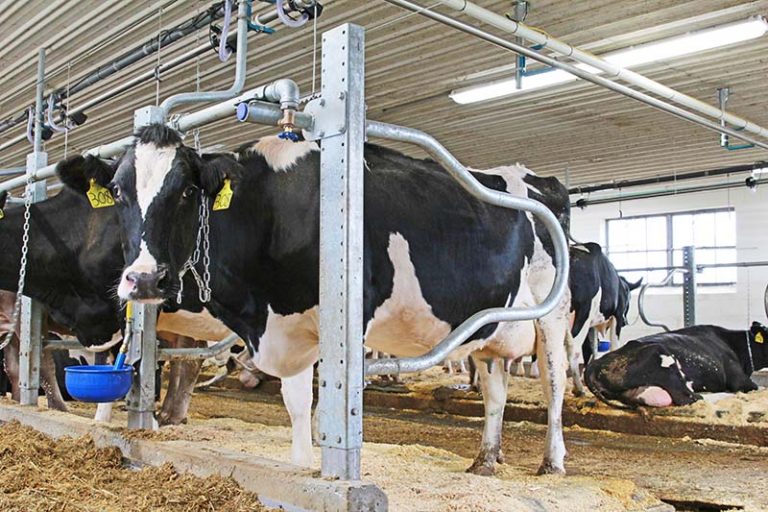
    There are different milking systems (bucket, trolley, pipeline, little auto tandem, herringbone or parallel parlors) each of them has a different work routine. The number of cows, the financial resource, the skilled workforce, and the availability of time are parameters influencing the selection of the milking system in addition to stall type and milking system…
  • Free Stall Dairy Farm

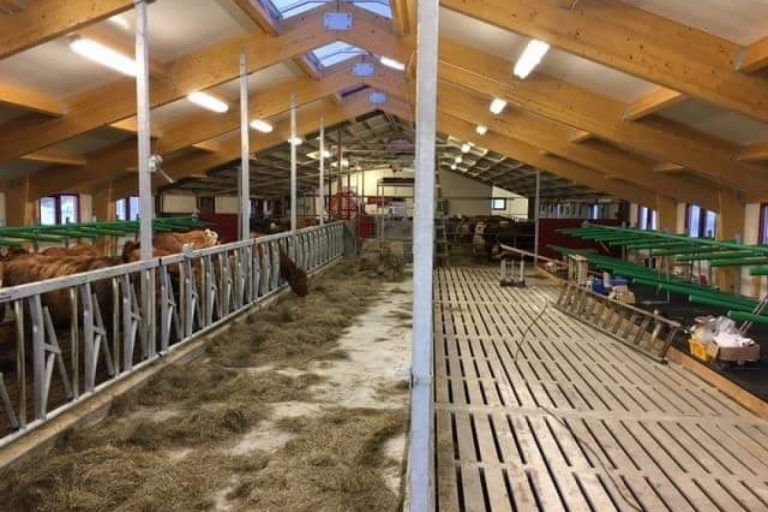
    Intensive dairy farm barns and free stall concept based on animal comfort and welfare to have sustainable and profitable farming with happy and healthy cows. With Smart Barn Design increase your milk production will create additional profit. Free stall concept Stalls can be arranged with cows facing one another (head-to-head) or the other way around…

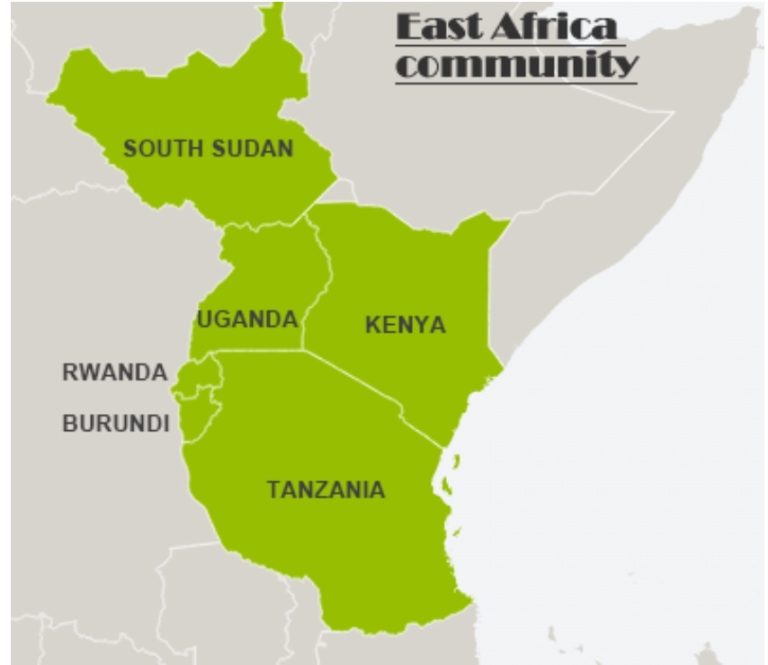
  • Dairy farming in East Africa

    Cattle and other ruminants convert forage, including low-quality crop residues, into valuable products. The relative importance of these products will vary from livestock system to country, in Africa meat is the main product. Among resource-poor smallholders and most pastoralists, manure, milk and draught power are the important products from cattle. Among the Maasai of East…

  • TIE-Stall barns

    TIE-STALL BARNS Tie-stall barns have many advantages when it comes to cow comfort. This type of herd management makes possible a pro-active, individualized approach to each animal and its welfare. It results in faster response time to an animal’s needs and less reliance on medical treatments such as antibiotics. In tie stall barns cows are…

  • Dairy Cow Feed RATION

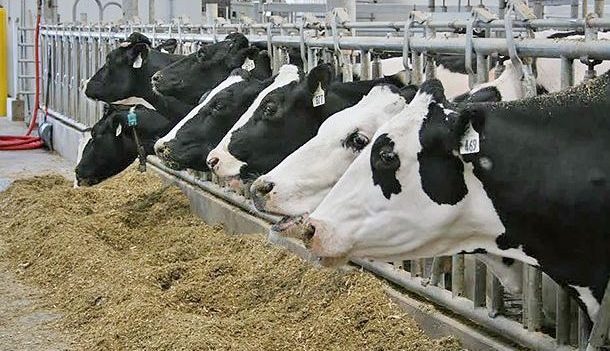
    Dairy cow RATIONS it is possible to complicate a ration with the inclusion of too many commodities.  Don’t forget the basics.  Dairy cows require nutrients and do not feed ingredients.  For example: Dairy cattle are designed to eat forage Therefore, forage should be considered the base of all dairy rations (Figures 1 and 2).  In…