Modern dairy farm

Self-Sufficient and Sustainable Dairy farm (SSS) + Integrated Farming System (IFS) and SSS-IFS and management Self-sustainability and self-sufficiency are overlapping states of being in an organization that needs little or no help from, or interaction with, others.
Self-sufficiency entails the self being enough (to fulfill needs), and a self-sustaining entity can maintain self-sufficiency indefinitely. SSS-IFS is our motto for Dairy farming. We handle and support dairy farm projects under Integrated Farming System (IFS) is an interdependent, interrelated often interlocking production systems based on animals and related subsidiary enterprises in such a way that maximize the utilization of nutrients of each system and minimize the negative effect of these dairy farm enterprises on environment.
The European concept is “increase product volume in spite of minimize cost ” motto is : focus on volume and quality . Profit comes. If you focus minimize cost you will get poorer.
Overview
Analyses of target market resources and opportunities in dairy farm projects. Focus main aspects as below

- Breeding
- Feeding & ration
- Watering
- Housing
- Milking
- Healthy animal
- Fertility
- Management
Cattle Stable Project and Applications
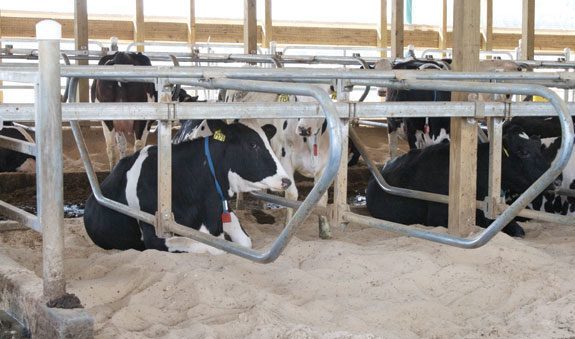
Dairy farming design, projects, implementations, planning, feasibility, in addition to organization of constructions. Facility designs a huge role in herd productivity, especially optimized animal- cow comfort is main topic.
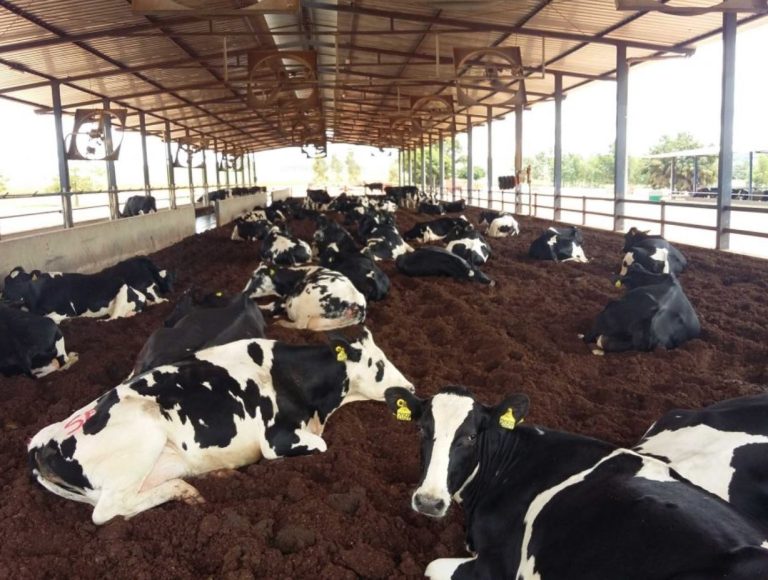
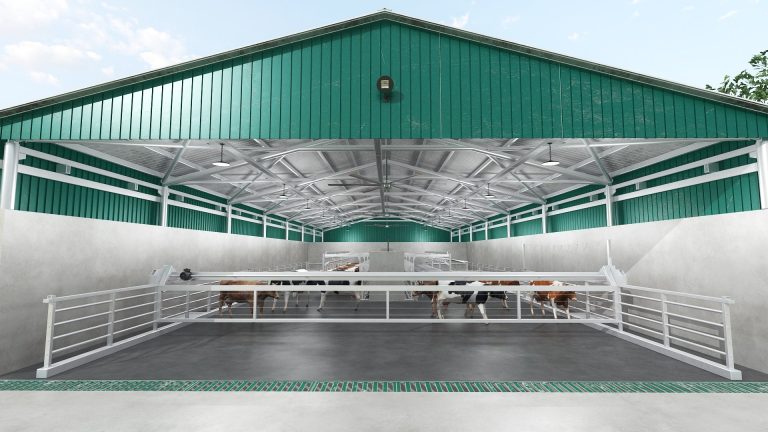
- Open type *(zero graze) Cattle Stable,
- Closed type Cattle Stable,
- Semi-closed type Cattle Stables and
- All kinds of livestock enterprises according to animal breed type and number.
Cattle Stable Project and Applications Consult us for the planning, feasibility creation, project design, turnkey construction, inspection and planning architecture, construction and modernization of all kinds of livestock and dairy farm enterprises. Dairy Cattle Shelters, Feed shelters, Horse stables and Animal Hospitals.

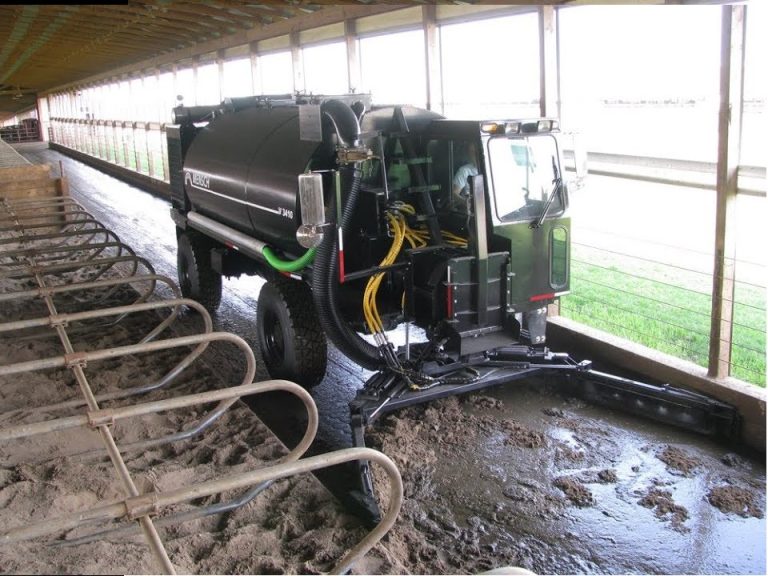
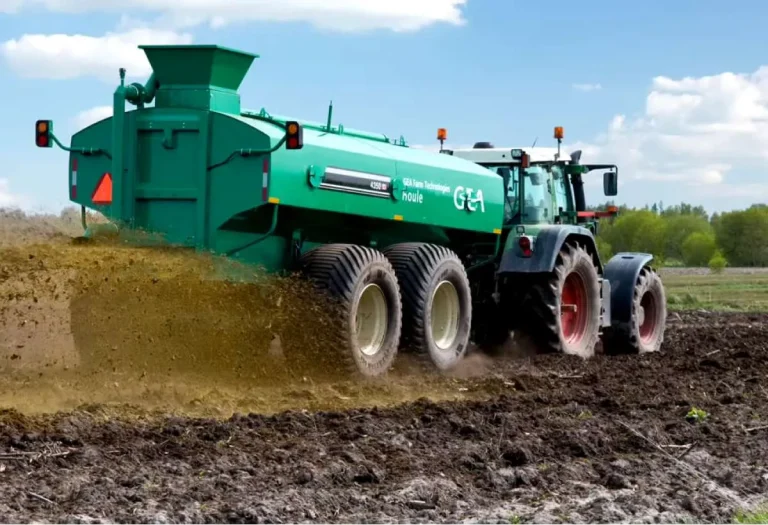
Animal Stable projects and shelter systems, Milking Parlors, Infirmary-Hospital, Quarantine areas and walking paths. Prefabricated Concrete; Grass and Silage Storages, Fertilizer Pit lagoon and separators planning and construction of administrative buildings.
Animal welfare and comfort
Animal welfare and comfort are emphasized in the planning and implementation of the latest technology new generation in animal stables. Efficiency and quality return the investor as profitability and easy management in a short time. In general, Semi-Open Type Animal Barn is preferred for milking dairy cattle.

Since the beginning of digitalization in the barn and milking parlor, sensors and systems provide you with the latest data that makes taking care of your animals and your equipment easy. Bundle the numerous data that are gathered on the farm into a unique software. Get ready for herd and farm management, taking you to the next level: Smart Farming!
Improve animal health, raise productivity, increase profitability, save money – herd management offers large and small dairy farms powerful functions for monitoring and managing operational procedures efficiently on a daily basis. You can get to know each cow better and keep track of her from birth on, even when the herd grows. Whether its current milk performance, cell count class analysis per udder quarter, measuring activity or estrous behavior – early signs and health alerts help you target your response. You reduce milk losses, save treatment costs and improve reproduction performance and calving intervals. Not too much, not too little – exactly the data you need for your work.
Consult before investment

Dairy farm and 100 cows assumptions
- There will be 100 milking animals, including dry animals, in the farm throughout the year.
- The average annual milk yield of a cow is 10,6 tons. (35Liters/day/ cow)
- Feed Conversion Efficiency (FCE) 1.6 Milk Yield ÷ Dry Matter Intake (DMI) <1.3 to >2.0
- The average lactation (milking) period of cows is 305 days. 60 days before birth in dry period 80 calves are taken from 100 cows.
- Female/male calf birth rate is 50%. Male calves will be fed between 15 and 18 months.
- Live weights will be sent to slaughter between 500-600 kg.
- The carcass ratio is approximately 55%. Female calves will be inseminated in approximately 14-15 months.
- Heifers will be sold at least 3 months pregnant.
- Calf death is not foreseen in accordance with the policies.
- The herd renewal rate for dairy animals will be 20%.
- Cows that have partially or completely lost qualities will be removed from the herd Cost and values in USD as below Labor cost Manpower/ Annual 3600 USD / year
- Feed calculations are based on market purchasing prices & costs